How to Write a Perfect Hindu Biodata
A complete step-by-step guide to creating a professional Hindu matrimonial biodata that reflects your personality, values, and family background—ideal for parents, matchmakers, and marriage portals.
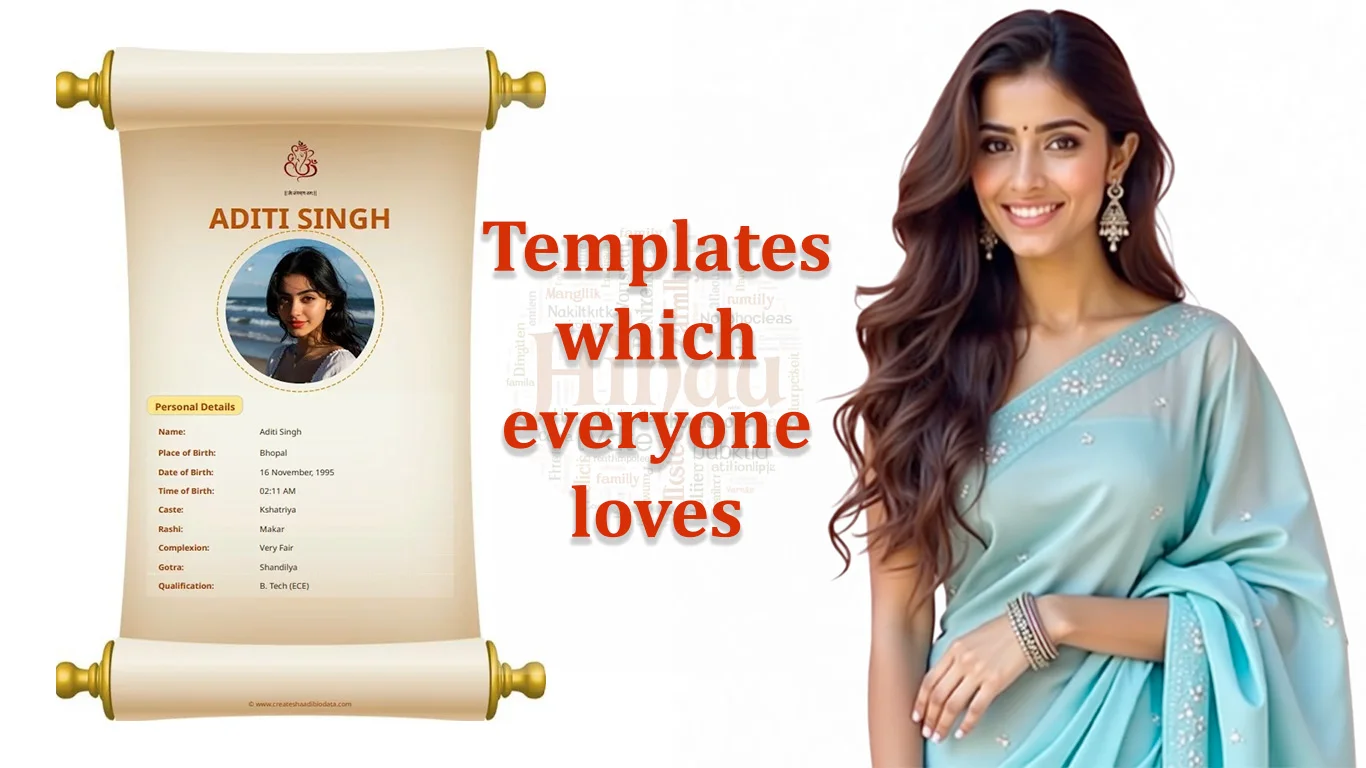
How to Write a Perfect Hindu Biodata
A Hindu matrimonial biodata is more than a résumé—it's the document that introduces you and your family to a potential match. A well-written biodata should be clear, respectful, culturally aligned, and visually clean. Whether you're creating one for marriage bureaus, family references, or matrimony websites, this guide will help you write a professional and impressive Hindu biodata.
Essential Sections of a Hindu Biodata
1. Personal Information
This is the first section people read, so keep it simple and accurate.
- Full Name
- Date of Birth
- Age
- Gender
- Height & Weight
- Complexion (optional; only if culturally expected)
- Native Place (Village/Town/District)
- Current Location (City & State)
- Marital Status
- Contact Information (Phone / Email)
Tip: Avoid unnecessary details like Aadhaar number or exact address.
2. Education & Career
Showcase your academic and professional journey.
- Highest Education
- University / College Name
- Additional Certifications (if relevant)
- Current Job Title
- Company Name
- Work Location (City / Country)
- Annual Income
- Career Highlights (optional)
Pro Tip: Remember that biodata is not a CV. Include only what helps in marriage decision-making.
3. Family Background
Family is an important part of Hindu matrimonial decisions. Give a respectful overview.
- Father's Name & Occupation
- Mother's Name & Occupation
- Number of Siblings and Their Details
- Family Type (Joint / Nuclear)
- Family Values (Traditional / Moderate / Liberal)
- Family’s Cultural Background (e.g., Gujarati Vaishnav, Marathi Brahmin, Tamil Iyer, Rajasthani Marwari, etc.)
Optional Add-ons:
- Family’s social standing
- Family business details (if applicable)
4. Horoscope / Kundli Details
This section is optional but important for many Hindu communities.
- Rashi
- Nakshatra
- Gotra
- Manglik / Non-Manglik Status
- Date, Time & Place of Birth
- Kundli PDF Available (Yes/No)
5. Lifestyle & Interests
This helps the other side understand your personality better.
- Food Preferences (Veg / Non-Veg / Eggetarian)
- Lifestyle (Occasional drinker / Non-smoker, etc.)
- Hobbies (Music, Fitness, Reading, Travel, Devotional activities, etc.)
- Languages Known
- Personal Traits (Honest, Caring, Ambitious, Calm, etc.)
6. Partner Preferences
Adding this makes your biodata more meaningful.
- Preferred Age Range
- Height Preference
- Education / Profession Expectations
- Geographic Preferences
- Manglik Compatibility (if applicable)
- Family Values Preference
Pro Tip: Keep it polite and flexible. Avoid rigid demands.
Tips for Creating a Perfect Hindu Biodata
-
Be Honest & Accurate
Biodata is the foundation of trust. Never exaggerate or hide important details. -
Use a Professional Photograph
Choose a recent, high-quality, well-lit picture. Avoid selfies and casual leisure images. -
Keep Formatting Clean
Use proper spacing, clear headings, bullet points, and a consistent font style. -
Include Cultural & Community-Specific Details
Some communities prioritize Gotra, Manglik status, or extended family details—include what is relevant to yours. -
Keep It Concise
1–2 pages is ideal. Avoid lengthy paragraphs. -
Add a Short Self-Introduction Paragraph
A 3–4 line introduction at the beginning can make your biodata feel more personal.
Example Intro Paragraph to Add
I am a caring, family-oriented, and career-focused individual with a strong belief in Hindu values. I enjoy reading, fitness, and exploring new places. I am looking for a partner who is understanding, supportive, and shares similar family values.
Conclusion
A well-crafted Hindu biodata reflects not just your details but your values, personality, and family background. Take time to write it thoughtfully, use a clean format, and ensure the details are accurate. The right biodata sets the tone for meaningful conversations and genuine connections.