Essential Details to Include in Your Marriage Biodata
A complete marriage biodata increases your chances of acceptance in the matchmaking process. Here is a detailed guide on the essential biodata fields you must include to make your matrimonial profile strong, clear, and professional.
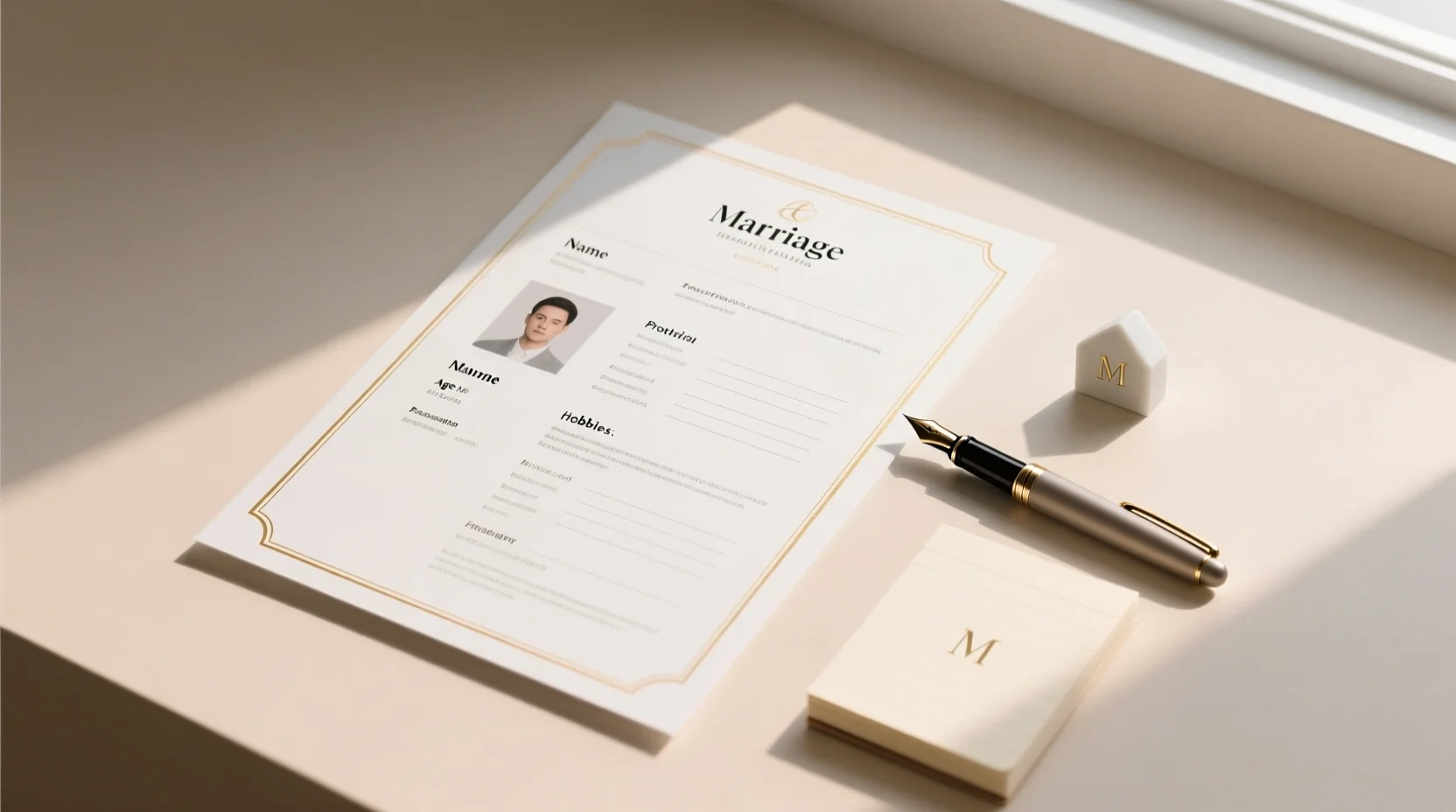
Essential Details to Include in Your Marriage Biodata
A well-prepared marriage biodata plays a crucial role in matrimonial matchmaking. Families often make decisions based on the information presented in a biodata, and incomplete or unclear details can lead to rejection—even before any conversation starts. This guide explains exactly what to include in a marriage biodata, how to structure it, and which fields help your profile stand out professionally.
This article is ideal for individuals, parents, and matchmaking platforms looking for a complete and professional marriage biodata format.
Why Complete Details Matter in a Marriage Biodata
A marriage biodata is often the first document reviewed by prospective families. Clear and structured information helps them understand your background, lifestyle, values, and compatibility without ambiguity. Missing details make it harder to evaluate suitability, leading to delays or rejection.
A complete biodata also ensures:
- Faster acceptance from matched families
- Better transparency and trust
- Higher chances of progressing to the next step
- Easier evaluation for horoscope-based communities
Must-Have Sections in a Marriage Biodata
These sections form the foundation of a strong, acceptable, and well-structured matrimonial biodata.
1. Personal Information
This is one of the most important sections in any marriage biodata. It establishes your identity and basic profile details.
Include the following:
- Full Name (as per official records)
- Date of Birth / Age
- Place of Birth
- Height
- Complexion / Appearance
- Marital Status (single, divorced, widowed)
- Nationality / Citizenship (if relevant)
This section helps families quickly assess compatibility and is used for horoscope matching in many communities.
2. Educational Background
Education helps families understand your academic qualifications and career foundation.
Include:
- Highest Qualification
- Specialization or Major
- College / University Name
- Year of Graduation
- Professional Certifications or Courses
Highlight only relevant educational details while keeping the section crisp and factual.
3. Professional Details
Your professional background indicates career stability, lifestyle, financial security, and future prospects.
Include:
- Current Job Title / Role
- Company or Organization Name
- Industry or Sector
- Annual Income (CTC)
- Work Location (City, State, Country)
- Nature of Work (remote, hybrid, on-site)
You may also mention career aspirations or long-term professional goals if relevant.
4. Family Background
Families often make decisions based on shared values and upbringing. A clear family background section helps them understand your roots and family culture.
Include:
- Father’s Name and Occupation
- Mother’s Name and Occupation
- Siblings (number, occupation, marital status)
- Family Type (joint or nuclear)
- Family Values (traditional, moderate, liberal)
- Native Place / Ancestral Origin
- Family Status (middle-class, upper-middle-class, etc., optional)
This section gives a snapshot of your family environment and lifestyle.
5. Astrological Information (If Applicable)
For communities where horoscope matching is important, missing these fields can result in immediate rejection.
Include:
- Rashi (Moon Sign)
- Nakshatra
- Gotra
- Manglik / Non-Manglik status
- Birth Time
- Birth Place
You may also attach or provide a link to a detailed horoscope PDF.
6. Contact Information
Provide clear and direct contact options for further communication.
Include:
- Primary Contact Person (self or parent/guardian)
- Phone Number
- Alternate Number (optional)
- Email Address
- Current Residential Address / Location
Avoid sharing highly sensitive information; maintain a professional level of detail.
Optional But Recommended Sections
Adding these sections can significantly enhance the quality and personality of your biodata.
1. Hobbies and Interests
This shows your lifestyle, personal choices, and compatibility with potential matches.
Examples include reading, fitness, travelling, cooking, music, painting, or volunteering.
2. Languages Known
This is especially useful for cross-regional or international matches.
3. Lifestyle Information
(Optional but helpful)
- Food habits (vegetarian, non-vegetarian, eggetarian)
- Smoking / Drinking habits
- Fitness preferences
4. Partner Expectations
Clear expectations reduce mismatches and improve compatibility.
You may include:
- Preferred age and height range
- Educational background
- Location preference
- Career preference
- Family values
- Lifestyle expectations
5. Recent Photograph
A professional, well-lit, front-facing photograph increases acceptance and credibility.
Common Mistakes to Avoid in a Marriage Biodata
Many biodata profiles get rejected due to avoidable errors. Ensure you avoid the following:
- Missing key information such as age, occupation, or family details
- Overly detailed or irrelevant information that distracts from the purpose
- Low-quality or outdated photographs
- Exaggerated or inaccurate claims
- Poor formatting, inconsistent spacing, or unorganized sections
A clean, structured format makes your biodata easy to read and more likely to be accepted.
Featured Image Suggestion
Use a clean, modern flat-lay photograph featuring:
- A well-designed biodata or résumé-style sheet
- A pen or clipboard
- A neutral or pastel background
- Subtle decorative elements for a refined, minimal look
The image should communicate clarity, structure, and professionalism—ideal for a matrimonial blog.
Conclusion
A well-structured and complete marriage biodata significantly increases your chances of progressing in the matchmaking process. By presenting accurate information, organizing it clearly, and ensuring your profile looks professional, you create a strong first impression that builds trust and enhances compatibility assessment.
A detailed and polished biodata reflects your seriousness, values, and clarity—qualities every family appreciates during the matchmaking journey.